
'Vande Mataram' controversy: Bankim Chandra's descendant and BJP MLA Sumitra Chatterjee writes to Sonia Gandhi
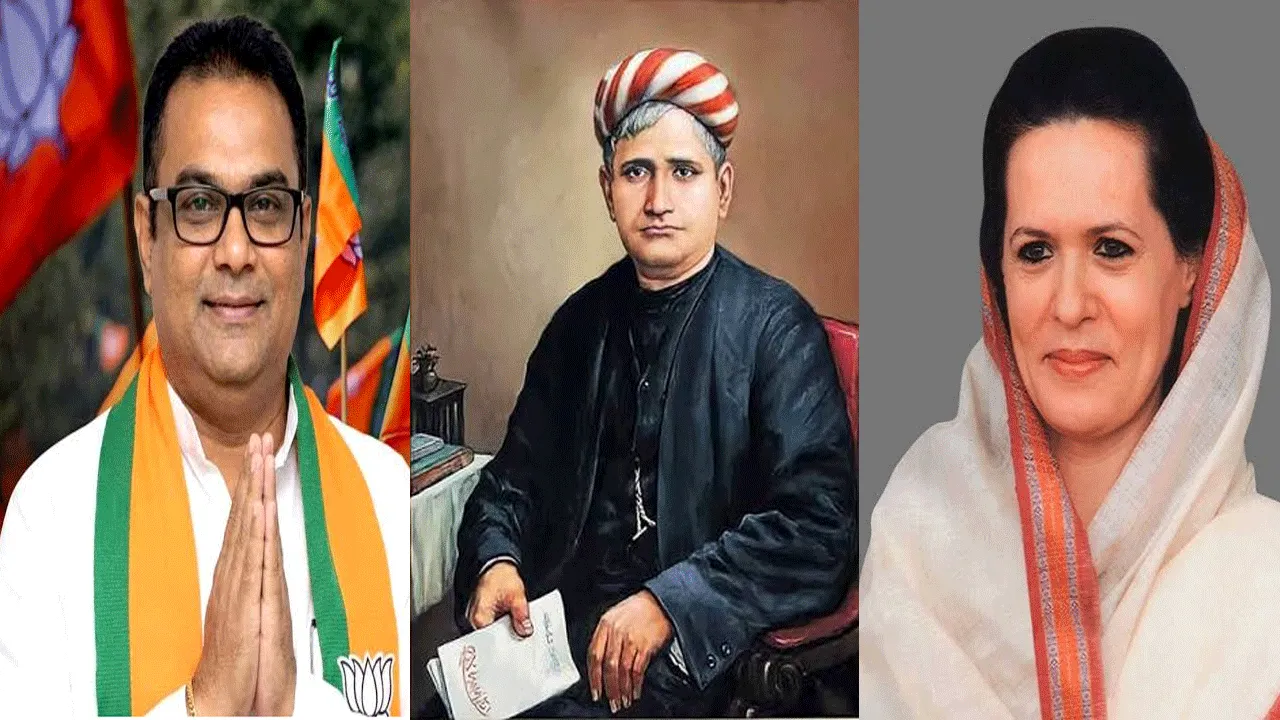
Amid the controversy surrounding ‘Vande Mataram’, Sumitra Chatterjee, the BJP MLA from Naihati, has written to Congress Parliamentary Party Chairperson Sonia Gandhi. Identifying herself as a descendant of Bankim Chandra Chatterjee—the composer of ‘Vande Mataram’—she expressed in the letter that the conduct witnessed during the rendition of this nationalist song at the Congress headquarters on a significant occasion like Independence Day was deeply regrettable and objectionable.
As the nation commemorates the history of the freedom struggle and the sacrifices made—echoing the spirit of ‘Vande Mataram’—in the lead-up to the 80th anniversary of independence on August 15, Sumitra has expressed in a letter that she is ‘deeply pained’ by the incident at the Congress headquarters in Delhi. She maintains that this event reflects not merely the conduct of a political party, but a ‘shameful repetition’ of history.
In the letter, the Naihati MLA also refers to the 1896 Calcutta session. He asserts that Rabindranath Tagore performed ‘Vande Mataram’ in his own tune at that session. Subsequently, the song became a key symbol of nationalist sentiment during various phases of the freedom movement. He also notes that ‘Vande Mataram’ was performed by Sarala Devi Chaudhurani at the 1905 Benares Congress session.
Sumitra has highlighted the connection of ‘Vande Mataram’ not only to the history of the Congress but also to various chapters of the freedom struggle. Citing the example of Lokmanya Bal Gangadhar Tilak in her letter, she noted that the song was heard being sung by his followers within the court premises during his sedition trial in 1909. She also asserted that ‘Vande Mataram’ played a significant role in the nationalist student movement at Osmania University in Hyderabad in 1938.
Sumitra maintains that ‘Vande Mataram’ is not the property of any specific political party. It is a historic symbol intertwined with the nation's freedom struggle, national unity, and the sacrifices of countless individuals. Consequently, honoring this song is tantamount to honoring the history of the country's independence.
In the letter, Sumitra also clearly expressed her sentiments as a descendant of Bankim Chandra. She wrote that she considers it her ‘moral duty’ to convey to Sonia Gandhi how deeply the sentiments of the people of West Bengal have been hurt by the recent incident. At the same time, as a descendant of his family, she has called for an unconditional apology to the nation—and particularly to the people of West Bengal—for this conduct by the Congress.
At the end of the letter, Sumitra makes a direct appeal: Sonia Gandhi should consider the matter and publicly apologize for the controversy surrounding ‘Vande Mataram’. She also conveys the message that the song’s historical stature should be upheld rather than fueling political debate over a composition deeply intertwined with the history of independence.
At the end of the letter, Sumitra makes a direct appeal: Sonia Gandhi should consider the matter and publicly apologize for the controversy surrounding ‘Vande Mataram’. She also conveys the message that the song’s historical stature should be upheld rather than fueling political debate over a composition deeply intertwined with the history of independence.
Amidst the Independence Day atmosphere, this letter regarding ‘Vande Mataram’ has reignited a political debate. While the BJP questions the Congress's sense of nationalism, the BJP MLA's letter has simultaneously brought the historical significance of Bankim Chandra’s song back to the center of the controversy.








Recent News

Most Viewed
Lifestyle
Lifestyle
Lifestyle
Culture
Entertainment